
SSL Certificates

Every plan carries free SSL, and there are upgrades if wanted

Any site on our platform picks up a free SSL certificate that renews itself. Paid OV and EV options sit waiting for the day you want to prove exactly who you are.

$0

Free SSL on every plan

Auto

Issued and renewed

256-bit

Encryption strength

$1.5M

EV warranty cover

Why It Matters

Encryption, trust and the padlock — sorted

There is more to an SSL certificate than ticking a box. It guards the people visiting you, and it tells them the site is safe to use.

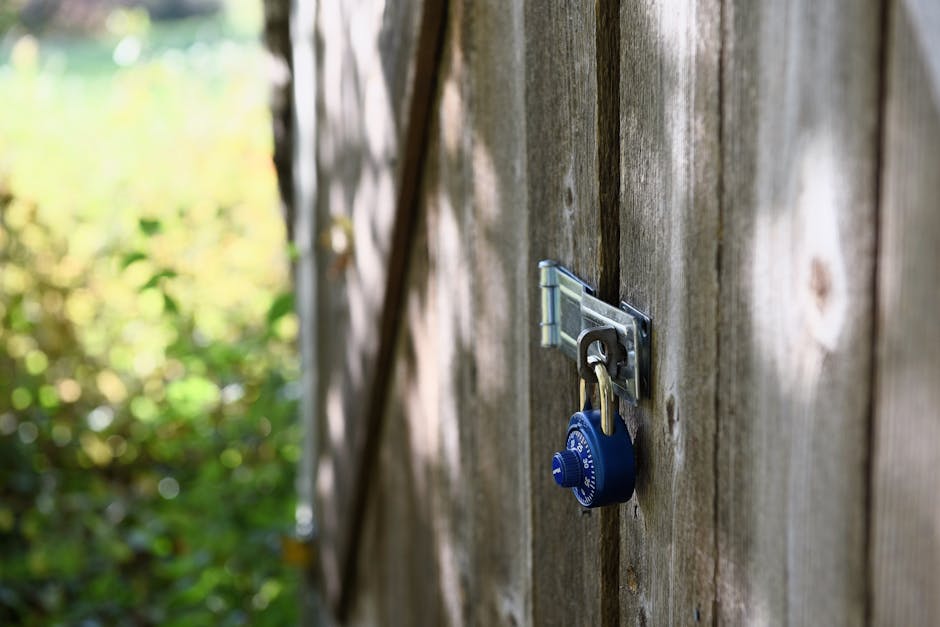
A padlock icon signalling SSL certificate encryption and website trust

The padlock visitors trust

On an HTTPS site the browser shows a padlock. Skip the valid certificate and people arriving get a 'Not secure' warning instead.

Encrypted in transit

Between the browser and our servers, logins, form entries and payments all travel scrambled, which means nobody gets to read them off the wire.

Renews itself

Reissue happens on its own before a certificate expires, so nobody wakes up to a lapsed padlock or a broken checkout.

A quiet SEO signal

Secure pages get preferred by search engines, so running HTTPS hands your rankings a small lead over unencrypted competitors.

Verified identity

With an EV certificate your business proves it is what it says it is, because the vetted company name goes into the certificate itself. That kind of reassurance counts when money is changing hands.

On in minutes

The moment a domain points at us, the free certificate provisions itself. Nothing needs buying and nothing needs installing.

Free SSL certificate securing a website

Included Free

Free SSL on every plan, no asterisks

Shared, WordPress, reseller, VPS, dedicated: whichever hosting plan you buy from us, a free SSL certificate comes with it. Provisioning happens without you lifting a finger. Coverage extends across your domain and the subdomains under it. Renewal takes care of itself, which is why the padlock never lapses.

  • Handled for you across domains and subdomains
  • Comes through once the domain starts resolving
  • Renewal happens well before expiry, on our side
  • No first-year-only pricing games
Website security and DDoS protection

Premium Certificates

Step up to wildcard or EV certificates

Sometimes free SSL will not cut it, and a paid certificate is the answer. One wildcard covers every subdomain under a single cert. EV goes further and writes your verified business name into the certificate details, which is the reassurance a shop wants, or a membership site, or anyone dealing with sensitive data.

  • Domain-validated (DV) certificates
  • Wildcard cover for every subdomain
  • Extended Validation (EV) where trust matters most
  • Warranty backing that reaches $1.5 million

Buy a Certificate

Premium SSL certificates

Every hosting plan already includes free SSL. The certificates below are for cases requiring a wildcard, extended validation, or warranty-backed cover instead.

DV SSL Certificate

Fast domain-validated encryption for any site

$59.99/yr

renews at the same price · issued in minutes

Validation
Domain (DV)
Issued
Usually same day
Warranty
$10,000
Secures
1 domain
  • Domain-validated encryption
  • Issued in minutes, not days
  • Padlock and HTTPS in browsers
  • $10,000 relying-party warranty
  • Trusted by every major browser
  • 256-bit encryption, 2048-bit key
  • A positive Google ranking signal
  • Unlimited reissues in the term
  • Secures www and non-www
  • Free installation help
Order SSL
Most Popular

Wildcard SSL Certificate

Secure a domain and all its subdomains

$169.99/yr

renews at the same price · covers every subdomain

Validation
Domain (DV)
Issued
Usually same day
Warranty
$10,000
Secures
*.yourdomain
  • Covers every subdomain
  • Wildcard *.yourdomain cover
  • Domain-validated, same day
  • Padlock on every subdomain
  • $10,000 relying-party warranty
  • 256-bit encryption, 2048-bit key
  • Great for many subdomains
  • Unlimited server licences
  • Unlimited reissues in the term
  • Free installation help
Order SSL

EV SSL Certificate

Maximum trust with a vetted business identity

$379.99/yr

renews at the same price · highest assurance

Validation
Extended (EV)
Issued
1–3 days
Warranty
$1,500,000
Secures
1 domain
  • Extended business validation
  • Your company name in the cert
  • Strongest trust signal there is
  • $1,500,000 warranty
  • 256-bit encryption, 2048-bit key
  • Reassures checkouts and logins
  • Trusted by every major browser
  • Unlimited reissues in the term
  • Site seal for your footer
  • Guided validation from our team
Order SSL

Issue happens after checkout. Our team runs the validation and does the install for you: same day as a rule for DV, and inside a few days for EV.

How It Works

Secure by default, with nothing to install

An SSL certificate installing itself automatically on a hosting server
1

Point your domain to us

Put the domain into your account, then let DNS resolve across to our servers. That is genuinely the only step on your side.

2

We issue automatically

As soon as the domain verifies, your free SSL is requested and put in place. Nothing to click, no config files.

3

Stay secure on autopilot

Renewal comes round on its own ahead of expiry, so HTTPS and the padlock carry on working unattended.

Included

What comes with your SSL

  • Free SSL on every plan
  • Automatic issuance and installation
  • Coverage for your domain and subdomains
  • Hands-off auto-renewal
  • Forced HTTPS redirects available
  • Modern TLS 1.3 encryption
  • DV, wildcard and EV upgrade options
  • Trusted by all major browsers
  • No hidden certificate fees
  • 24/7 human support

FAQ

SSL certificate questions

Is SSL really free on every plan?

Yes. A free SSL certificate sits inside every hosting plan, with nothing added to the bill. It gets issued and renewed automatically, for as long as the site stays hosted here.

What separates the free SSL from a paid certificate, in practice?

Encryption and the padlock are what a free certificate gives you. A paid one goes beyond that. Take a wildcard, which secures every subdomain under a single certificate. Or take EV, which adds a vetted check on your business identity, something browsers and customers both read as a stronger signal of trust.

Will my visitors see a padlock?

With SSL active, browsers put the padlock up and load the site over HTTPS. A site lacking a valid certificate gets something different these days: a 'Not secure' warning sitting in the address bar.

Do I have to renew my certificate manually?

No. A free certificate renews itself before the expiry date arrives. With paid wildcard and EV certificates, we send you a reminder ahead of the validation window, so coverage never ends up with a gap in it.

Does SSL slow my site down?

Nothing you would notice. Modern TLS has been optimised hard, and HTTPS is a requirement for HTTP/2 and HTTP/3, protocols that make most sites quicker rather than slower.

Can one certificate cover my subdomains?

Yes. The free certificate covers your primary domain along with its subdomains, and if you happen to run a great many subdomains, wildcard options exist.

Lock in your visitors' trust.

Free SSL that renews itself comes with every plan. Premium EV or OV certificates are there the day you need to prove who you are.

See Hosting Plans

The Full Picture

A green padlock is table stakes now — the harder questions are what happens to your certificate when you switch hosts, why a site can still flash 'Not secure' after SSL is installed, and which validation level actually matches the traffic you get. This page fills in that operational detail rather than repeating the basics.

Every plan we sell — web hosting from $2.42/mo, managed WordPress from $4.19/mo, VPS from $13.52/mo and dedicated servers from $149.99/mo — ships with free, auto-renewing SSL as standard, backed by 24/7 human support and a 30-day money-back guarantee if a premium certificate purchase turns out not to be the right fit.

Deep Dives

The details behind the promises

DV, OV and EV: what the validation levels actually check

A domain-validated (DV) certificate confirms one thing: that whoever requested it controls the domain. That's why free certificates issue in moments — there's no paperwork, just a DNS or file check. Organization-validated (OV) and Extended Validation (EV) certificates add a real verification step, where the certificate authority checks business registration records and confirms the company by phone before issuing anything.

That extra check is why EV certificates carry the deeper warranty — up to $1.5 million in our cover — and why they're worth the wait for stores, membership sites or anything handling sensitive customer data. DV is the right default for a blog or brochure site; OV and EV earn their keep once real transactions and real trust are on the line.

Keeping HTTPS unbroken when you migrate to us

Free managed migration doesn't stop at copying files and databases — it's timed so a fresh free SSL certificate is requested and issued the moment your domain resolves to our servers, closing the gap between the old host's certificate and ours before visitors ever notice a difference.

That matters most for stores and login-gated sites, where even a short HTTPS gap can trip browser warnings or break a checkout flow mid-migration. Coordinating the DNS cutover and the certificate issuance together is a standard part of the migration, not an extra step you have to request.

Diagnosing a stubborn 'Not secure' warning

SSL being active doesn't always mean the warning disappears. Mixed content — a page served over HTTPS that still loads an image, script or stylesheet over plain HTTP — is the usual culprit, and it often traces back to a theme, plugin or old database entry hardcoding an http:// link from before SSL was switched on.

24/7 human support can scan for those stray references and help configure a forced HTTPS redirect so every request, including old bookmarked links, is upgraded automatically rather than left to trigger the warning again on the next page load.

SSL, checkout pages and PCI-friendlier stores

Encrypting data in transit is one of the baseline requirements card processors expect under PCI DSS, and every plan's HTTPS covers that piece for checkout, login and account pages by default — no separate certificate purchase needed just to meet it.

SSL alone doesn't make a store fully PCI compliant; that also depends on how the payment processor and cart software handle card data. What our NVMe SSD and LiteSpeed stack does add is speed — checkout pages stay fast even with the extra handshake overhead HTTPS introduces, so encryption doesn't come at the cost of a slower cart.

Developer coding on a web hosting server

Installing wildcard and EV certificates without the guesswork

Ordering a premium certificate isn't a self-service form you're left to figure out. Our team generates the certificate signing request, submits it to the certificate authority, and — for EV — walks you through exactly which business documents the validation call will ask for.

Installation includes the full intermediate certificate chain, not just the leaf certificate — a detail that causes 'certificate not trusted' errors on some mobile browsers when it's missed. We confirm the chain validates cleanly across major browsers before marking the order complete.

  • CSR generated and submitted on your behalf
  • Guidance on documents needed for EV verification
  • Full intermediate certificate chain installed
  • Cross-browser validation checked before sign-off

More Reasons

Built to help you grow

Migration-safe HTTPS

Free managed migration times certificate issuance to your DNS cutover so HTTPS doesn't lapse mid-move.

Mixed-content troubleshooting

24/7 support helps track down stray HTTP images or scripts still triggering a broken padlock.

Store-ready encryption

Checkout and login pages run over HTTPS by default, covering the encrypted-transit requirement stores need.

Reseller wildcard coverage

A wildcard certificate secures every subdomain of a domain, useful for staging, shop and portal areas under one account.

Modern protocol groundwork

HTTPS unlocks HTTP/2 and HTTP/3 on our LiteSpeed stack, so security and speed improve together.

Guarantee-backed upgrades

Premium wildcard and EV certificates are covered by the same 30-day money-back guarantee as hosting.

Getting Started

How to get going

1

Pick the validation level you need

Choose DV, wildcard or EV at checkout based on how many subdomains you run and how much identity assurance your visitors expect.

2

Complete verification if required

EV certificates need a short business verification step; our team explains exactly which documents the certificate authority will ask for.

3

We install and confirm the chain

The certificate and its full intermediate chain are installed, then checked for clean validation across major browsers before we call it done.

Good To Know

What's covered

  • SSL details carried over during free managed migrations
  • Mixed-content diagnostics from 24/7 human support
  • Full intermediate certificate chain installed, not just the leaf cert
  • Wildcard coverage available for staging and subdomain areas
  • HTTPS groundwork for HTTP/2 and HTTP/3 speed gains
  • 30-day money-back guarantee on premium certificates
  • Checkout pricing shown in your local currency via geo-currency detection
  • Billed and operated by Bohzo Ltd (UK)

More FAQ

More questions, answered

What happens to my SSL certificate when I migrate to Hosting Cheap?

Our free managed migration times a fresh certificate to issue the moment your domain resolves to our servers, so there's no gap between your old host's SSL and ours. Files, databases and DNS move alongside it, coordinated so HTTPS keeps working through the cutover.

Why does my site still show 'Not secure' after installing SSL?

This is almost always mixed content — a page served over HTTPS still pulling an image, script or stylesheet over plain HTTP, often from an old hardcoded link. Our 24/7 support team can help locate the offending references and set up a forced HTTPS redirect to prevent it recurring.

Can one wildcard certificate cover multiple client sites on a reseller account?

A wildcard certificate covers every subdomain of a single domain — for example shop.yoursite.com and staging.yoursite.com — but it doesn't extend across separate client domains. Each client domain on a reseller account still needs its own certificate, though free SSL issues automatically for all of them.

Does SSL make my store PCI compliant?

SSL covers the encrypted-transit requirement that PCI DSS expects, and every plan includes it on checkout and login pages by default. Full PCI compliance also depends on how your payment processor and cart software handle card data, so SSL is a necessary piece rather than the whole picture.

What's the real difference between DV, OV and EV certificates?

DV only confirms domain control, which is why free certificates issue instantly with no paperwork. OV and EV add an actual business verification step — the certificate authority checks registration records and confirms the company by phone — which is why EV carries a deeper warranty, up to $1.5 million in our cover.

Is there a guarantee if I buy a premium certificate and change my mind?

Yes. Premium DV, wildcard and EV certificate purchases are covered by the same 30-day money-back guarantee as our hosting plans, so there's no risk in stepping up from free SSL if it turns out you didn't need the upgrade.